
Strangles in horses is one of the most common and most feared infectious diseases affecting the equine community, and understanding...
HORSES
EQUAL LOVE
Heavenly Pastures offers a dignified farewell to your lifelong companion.
Adlington Horse Cremations
Adlington horse cremations are arranged by Heavenly Pastures for owners in the village and the surrounding countryside between Chorley and Horwich, where small yards, family paddocks and livery stables sit beneath the rising ground of the West Pennine Moors. Losing a horse, pony or donkey here often means losing a companion who knew every lane towards Rivington and Anglezarke, and every season on the hill. As a specialist provider of horse cremations, the team at New Bartons Farm in Burscough understands what that loss means and how much the arrangements matter to the families left behind.
Keeping Horses Around Adlington and the Moorland Edge
Horse keeping around Adlington has its own character. Grazing tends to be on sloping ground, fields can turn heavy after rain coming off Winter Hill, and many yards are reached along narrow lanes that climb away from the A6 towards Heath Charnock and Anderton. Riders use the bridleways around Lever Park and the reservoirs, and many horses in the area are veterans who have spent decades carrying their owners across the moor. That history shapes how owners feel when the end comes, and it also shapes the practical side of what happens next.
A horse that has lived on a hillside field may die in a place that is awkward to reach, and a yard on a single track lane may have limited room for a collection vehicle to turn. These are ordinary realities for equine aftercare in this part of Lancashire, and the team plans for them from the first telephone call rather than leaving an owner to worry about them at the hardest moment.
When a Horse Dies in the Field
Sudden loss is common on moorland grazing. Colic, a fall on wet ground, a heart problem in an older horse or a field injury can all end a life without warning. The first step is to call the vet, who will confirm the death and record anything needed for insurance. After that, the horse can be covered with a rug or sheet and other horses moved to a neighbouring field if possible, so that companions are not left distressed beside the body for longer than necessary.
The team then arranges a cremation service following natural death, with collection as promptly as the location allows. Owners are told plainly what to expect, including how the horse will be moved with dignity and how gateways or soft ground will be managed. Where a field gate is narrow or the ground is saturated, the team discusses the safest route with the owner or yard manager before arriving.
Planning Ahead for an Older Horse
Many horses on the moorland edge live well into their twenties, and owners of veterans often prefer to think about aftercare before a crisis arrives. Talking it through calmly with the vet and the team, deciding where a final goodbye might happen and noting who should be called on the day can take a great deal of strain out of a decision that may later have to be made quickly. Planning ahead is a quiet act of care rather than a sign of giving up.
Choosing Between the Two Cremation Options
Owners in Adlington usually choose between two options. Individual cremation with ashes returned means the horse is cremated alone and the ashes come back to the family, so they can be kept at home, buried in a quiet corner of the garden or scattered on a favourite stretch of hillside grazing. Many local owners choose this because their horse belonged so completely to a particular place.
The alternative is cremation without ashes returned, which offers the same respectful handling and care for owners who feel a dignified farewell is what matters most, and who do not wish to keep the remains. Neither choice is more loving than the other, and the team never presses a family towards one or the other.
Why Burial Is Rarely Straightforward
Some owners first ask whether their horse can be buried on their own land. In practice this is only permitted in limited circumstances, and many Adlington paddocks are rented, sit close to watercourses feeding the reservoirs, or lie on thin soil over rock, all of which can rule burial out. Cremation removes that uncertainty and allows the horse to be cared for promptly and properly, wherever on the moorland edge it was kept.
The Effect on Companion Horses
Horses kept in small groups on hillside grazing often form very close pairs, and the horse left behind can call, pace the fence line or go off its feed. Many owners find it helps to let a companion see and sniff the body briefly before collection, which can settle the remaining horse more quickly. A familiar field mate moved alongside, or a temporary companion borrowed from a neighbouring yard, can ease the following days. These small steps make a real difference in a close equine community where horses and owners know each other well.
Serving Adlington and the Neighbouring Villages
The same service reaches owners right across this corner of Lancashire. Families to the north are supported through Chorley horse cremations, while yards on the Bolton side of the moor are covered by Horwich horse cremations. Owners in the farming country to the west can turn to Coppull horse cremations and Euxton horse cremations, and those on the other side of the M61 are served by Standish horse cremations. Wherever a horse is kept, the standard of care is the same.
Remembering a Horse From the Hill
Grief after losing a horse can be long and quiet. Owners often keep a plait of mane, a shoe or a headcollar, and some return ashes to the field where their horse grazed with a view over the Lancashire plain. Families are also warmly invited to share a photograph and a few words about their horse in the remembrance section of the website, where other owners have posted their own heartfelt tributes.
For guidance on Adlington horse cremations, or to arrange collection at any time, the team can be reached on 01704 776976 or through the contact form. Every call is answered with patience, and every horse is treated with the dignity its life deserves.
Useful Articles


For most horse owners, working with a vet on horse cremation is the point where a difficult decision becomes a...
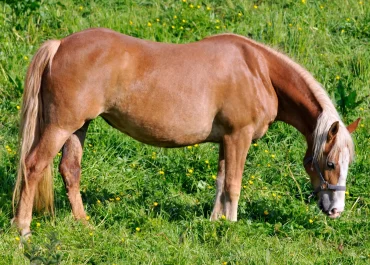
Ragwort is the plant every horse owner learns to hate, its bright yellow flowers lighting up verges, wasteland and neglected...