
Strangles in horses is one of the most common and most feared infectious diseases affecting the equine community, and understanding...
HORSES
EQUAL LOVE
Heavenly Pastures offers a dignified farewell to your lifelong companion.
East Dunbartonshire Horse Cremations
East Dunbartonshire horse cremations from Heavenly Pastures give owners in this area north of Glasgow, beneath the green escarpment of the Campsie Fells, a careful and dependable service when a horse, pony or donkey dies. The team collects from farms, yards and paddocks around Milngavie, Bearsden, Kirkintilloch, Lenzie, Bishopbriggs, Lennoxtown, Milton of Campsie, Torrance, Twechar and the hill farms below the fells, always agreeing an arrival time given the distance involved.
East Dunbartonshire Horse Cremations Beneath the Campsie Fells
East Dunbartonshire is where Glasgow’s suburbs meet the hills. Milngavie is the starting point of the West Highland Way, Scotland’s most famous long distance trail, which runs north for ninety six miles to Fort William. Bearsden holds the remains of a Roman bathhouse from the Antonine Wall, which crossed the area and is now part of a World Heritage Site. Kirkintilloch, on the Forth and Clyde Canal, was once a busy canal port. To the north, the Campsie Fells rise steeply above Lennoxtown and Milton of Campsie, with Campsie Glen’s waterfalls and the Crow Road climbing over the top. The Mugdock Country Park’s woods, lochs and castle ruins lie just north of Milngavie. Horses are kept on liveries, farms and smallholdings throughout the area.
Suburban roads, steep hill lanes and canal bridges all shape how a visit is planned. Before East Dunbartonshire horse cremations are arranged, the team asks how the yard or field is reached and where the horse is lying.
Riding Below the Fells
Mugdock Country Park, the canal towpath and the lanes beneath the Campsies give riders varied routes close to the city.
Planning a Peaceful Day
For a horse whose health has failed, planned euthanasia lets the family choose the day and a sheltered paddock. The vet explains the method, and the team arrives as arranged. Insured owners should check with the insurer first.
The passport must go back to the issuing organisation within thirty days.
Ashes Returned
Through an individual cremation with ashes returned, the horse is cremated alone, and the ashes return in an oak casket with a brass plate. Families have scattered ashes on the Campsie Fells, by Mugdock’s lochs or kept the casket at home.
Laid to Rest by the Team
Choosing a cremation without ashes returned means the ashes are not returned, but the horse is handled with exactly the same respect, and its ashes are scattered quietly by the team afterwards.
Escarpment, Burns and Burial
The Campsie Fells are basalt with thin soil and burns tumbling down to the Glazert and the Kelvin, and the valley floor is wet clay. Burial needs permission and land well clear of water, so cremation is the practical choice.
An Unexpected Death
Colic, a broken leg in the field or a heart attack can take a horse within hours. The vet needs to come first to confirm the death. Once that is done, a single call to Heavenly Pastures arranges the collection, and the team will happily wait a little if relatives want to come and say goodbye.
Milngavie and the West Highland Way
Milngavie’s precinct obelisk marks the start of the West Highland Way, with the Mugdock woods just beyond the town.
Mugdock Country Park
Mugdock’s lochs, castle ruins and woodland trails are a favourite with riders, walkers and families.
Kirkintilloch and the Canal
Kirkintilloch’s canal basin and the Antonine Wall’s line run through the heart of the town.
Lennoxtown and Campsie Glen
Campsie Glen’s waterfalls and the Crow Road lie above Lennoxtown, with views across the Clyde valley.
Bearsden and the Roman Bathhouse
Bearsden’s Roman bathhouse is one of the best preserved remains of the Antonine Wall.
Torrance and Balmore
Torrance and Balmore sit in the Kelvin valley among farmland, with small yards along their lanes.
The Antonine Wall
Built by the Romans around AD 142, the Antonine Wall ran for thirty nine miles from the Forth to the Clyde, and some of its best surviving stretches cross East Dunbartonshire. Earth ramparts, ditches and fort sites can still be traced near Kirkintilloch and Twechar.
Winters Beneath the Fells
Cold air drains off the Campsie Fells into the Kelvin valley on clear nights, leaving paddocks white with frost, while wet westerly weather can leave fields around Torrance and Lennoxtown waterlogged for weeks. Snow comes early to the fell tops. A dry shelter, a well fitted rug and generous hay keep older horses comfortable, and a vet check in the autumn helps owners plan.
Collection Day
Livery yards on the edge of Bearsden and Bishopbriggs can have narrow shared drives, and some farms beneath the fells are reached by steep, rough tracks, so the team asks about the approach, gates and turning space before setting off. The transport is empty and fully enclosed. A powered winch built for heavy animals draws the body out of a stable without strain. The transfer note listing owner and horse is filed for six years.
The Horse Left Behind
A pony that has lost its field mate may call across the valley, pace by the gate or go off its feed for a day or two. Letting it spend a little time with the body usually brings calm. Families from Milngavie, Kirkintilloch, Lennoxtown and the villages beneath the Campsies are warmly invited to share photographs and memories on the Remembrance pages.
East Dunbartonshire and the Neighbouring Areas
East Dunbartonshire horse cremations form part of a service across central Scotland. To the south, Glasgow horse cremations covers the city, while Stirling horse cremations serves the north. North Lanarkshire horse cremations covers the east, Renfrewshire horse cremations serves the land across the Clyde, and Lanarkshire horse cremations covers the wider county.
Arranging East Dunbartonshire Horse Cremations
Losing a horse is painful, but the arrangements can be made calm and clear. The team at Heavenly Pastures will explain each step and move at a pace that suits the family. For East Dunbartonshire horse cremations, call 01704 776976.
Useful Articles


For most horse owners, working with a vet on horse cremation is the point where a difficult decision becomes a...
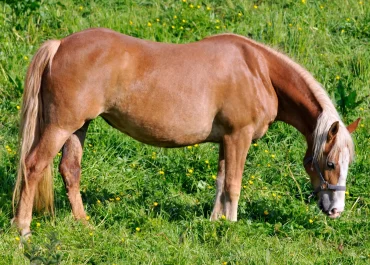
Ragwort is the plant every horse owner learns to hate, its bright yellow flowers lighting up verges, wasteland and neglected...