
Strangles in horses is one of the most common and most feared infectious diseases affecting the equine community, and understanding...
HORSES
EQUAL LOVE
Heavenly Pastures offers a dignified farewell to your lifelong companion.
Leyland Horse Cremations
Leyland horse cremations from Heavenly Pastures give owners in the town and on the flat farmland to its west a calm, dignified way to say goodbye to a horse, pony, donkey or mule. As a specialist provider of horse cremations across Lancashire, the team knows the particular mix of horse keeping around Leyland, where family paddocks sit between housing estates and business parks, and where livery yards and smallholdings spread out across the mossland toward Ulnes Walton, Midge Hall and Moss Side.
How Leyland Horse Cremations Work Across Town and Moss
Leyland grew as an industrial town, famous for building commercial vehicles, but the countryside has always been close. Horses are kept on grazing around Worden Park and Farington, on small yards along the lanes toward Wellington and Earnshaw Bridge, and on larger farm liveries out on the moss, where the land is flat, fertile and criss crossed with drainage ditches. The River Lostock winds through the area, and low fields beside it can stay wet long after rain.
These details shape every collection. Before Leyland horse cremations are arranged, the team asks where the horse is lying or will be, how wide the gates are, whether the approach is hard surfaced and whether a ditch or culvert sits between the lane and the field. On yards close to the town, access may be along a residential road or a shared drive, so a collection time can be agreed that keeps the visit quiet and discreet for neighbours as well as for the owner.
Yards Close to Busy Roads
With the M6, M65 and several main roads running around the town, many Leyland horses live within sight or sound of heavy traffic. Owners sometimes worry about a horse lying in view of a busy road or footpath after death. Covering the horse with a rug or sheet, keeping gates closed and bringing companion horses in all help. For Leyland horse cremations on roadside yards, the team will also talk through where a vehicle can safely pull in and turn, so that the collection causes no disruption and draws as little attention as possible.
Preparing for a Planned Goodbye
For an older horse whose comfort can no longer be maintained, planned euthanasia allows the day to be prepared with care. Collection can be timed to follow the vet’s visit so the horse is not left lying for longer than necessary. A level, accessible spot near hard standing is usually far better than a stable or the far corner of a soft paddock. Owners who arrange Leyland horse cremations in advance often say it was the most helpful decision they made, because the final hours could then be spent grooming, hand grazing or simply standing quietly with the horse. Where a horse dies suddenly instead, the vet should be called first, and collection can then be arranged with a single call.
What Happens on the Day of Collection
Many owners arranging Leyland horse cremations have never been through the process before, and knowing what to expect removes a great deal of anxiety. The team arrives at the agreed time, checks the access and the position of the horse, and talks the owner through each step before anything begins. Owners can choose to stay with their horse until it leaves the yard or to say goodbye beforehand and wait elsewhere, and there is never any pressure either way. Companion horses are best brought in or moved to a neighbouring field, since some become unsettled when a friend is taken away. Afterwards, the owner is kept informed about the cremation and, where ashes are to be returned, about when and how the casket will come home.
Choosing Between Leyland Horse Cremations Options
An individual cremation with ashes returned means the horse is cremated alone and the ashes are returned in an oak casket with a brass nameplate. Some owners keep the casket at home, and others scatter the ashes on the home paddock once the ground has dried. A cremation without ashes returned is carried out with exactly the same care and dignity, and suits owners who feel their horse is best remembered through the years they shared. Keepsakes such as a lock of mane or tail, a shoe the farrier can remove and the stable nameplate are simple to gather before collection and very hard to recover afterwards.
The horse’s passport should also be kept safe, since it must be returned to the issuing authority within thirty days of death. Livery owners should let the yard manager know as early as possible so that other liveries can be told gently.
Leyland Horse Cremations and Nearby Communities
Leyland horse cremations are part of a wider service across central and west Lancashire. Owners just to the north east can read about Bamber Bridge horse cremations, while those toward Chorley will find local detail on Euxton horse cremations. To the west, Longton horse cremations serve the marsh edge farms, and further across the moss owners can find Tarleton horse cremations and Mawdesley horse cremations.
Families are warmly invited to share a photograph and a memory of their horse in the Remembrance section of the website, where other owners have posted their own heartfelt tributes to much loved horses, ponies and donkeys.
Arranging Leyland Horse Cremations With Heavenly Pastures
Losing a horse is one of the hardest moments of ownership, and the practical arrangements should never add to that burden. To talk through Leyland horse cremations, collection or planning ahead, the Heavenly Pastures team can be reached on 01704 776976 or through the contact form on the website.
Useful Articles


For most horse owners, working with a vet on horse cremation is the point where a difficult decision becomes a...
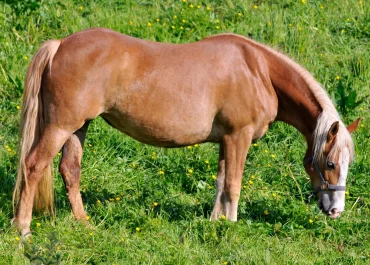
Ragwort is the plant every horse owner learns to hate, its bright yellow flowers lighting up verges, wasteland and neglected...