
Deciding what to do with your horse’s ashes is one of the quietest yet most personal decisions an owner faces, and when a horse is cremated and the ashes are returned, many people find themselves holding something precious and feeling unsure what comes next. There is no single right answer, and that uncertainty is entirely understandable. The ashes of a horse represent years of shared life, the early mornings, the smell of a familiar stable, the trust built through thousands of hours together, and deciding how to honour them deserves time and thought.
Heavenly Pastures provides horse cremations across Lancashire, Merseyside and Cheshire, and one of the most common conversations the team has with families in the weeks after a cremation is simply this, what comes next? This article explores the options available and the practical considerations that go with each of them.
Receiving your horse’s ashes – what to expect
Following an individual cremation with ashes returned, the ashes are presented in a respectful container, ready for collection or delivery. It is worth understanding that a horse’s ashes are considerably larger in volume than those of a smaller animal, typically somewhere between fifteen and thirty litres depending on the size of the horse, and this is something to factor into your plans for keeping or scattering them.
The ashes themselves are a pale grey-white, fine in texture and entirely natural. Some families are surprised by the volume when they first receive them, and it can help to have thought in advance about where they will be kept or what will be done with them. If you would like a clearer picture of the practicalities before that day arrives, our guidance on how horse ashes are returned walks through what happens step by step.
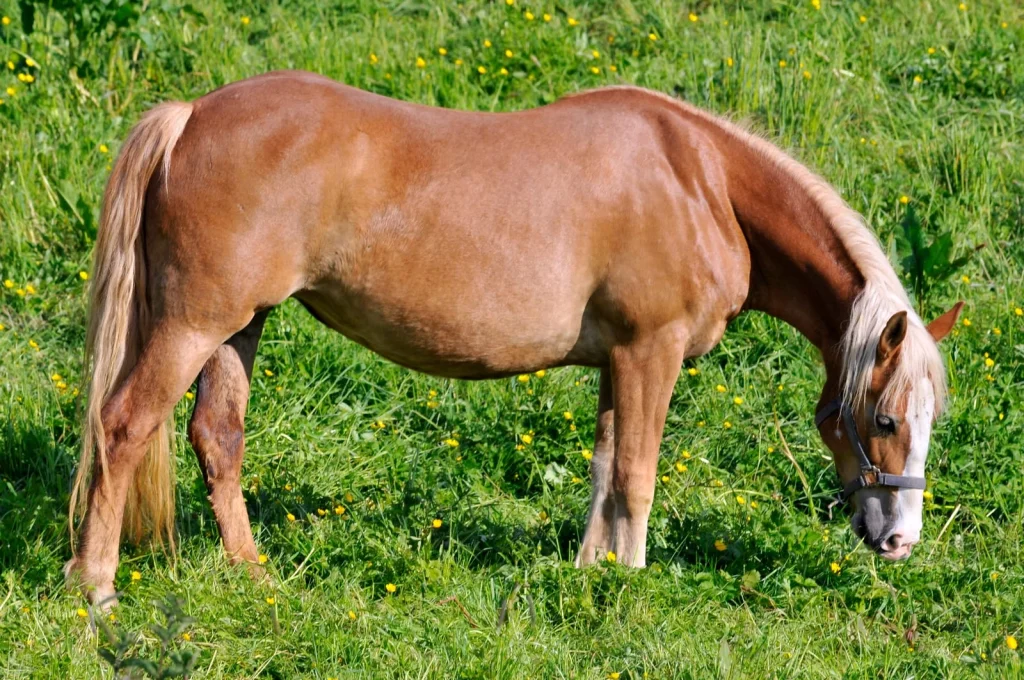
There is absolutely no requirement to make a decision quickly. Some owners know before the cremation exactly what they want to do with the ashes. Others take weeks or months before they feel ready to decide, and both approaches are equally valid. The ashes can be kept safely at home for as long as you need, and a decision made later, when the acute grief has softened, is no less meaningful than one made immediately.
Keeping your horse’s ashes at home
Many owners choose to keep their horse’s ashes at home, at least initially, and for some this becomes a permanent arrangement. A container placed in a quiet corner of a room, on a shelf where photographs and mementos are gathered, or in a space that was associated with the horse, a tack room or a garden outbuilding, can become a genuinely comforting focal point. Some owners find it helps to have somewhere specific to go when the grief is particularly present, a place that acknowledges the loss rather than moving past it.
The container matters to some people and not at all to others. A simple, dignified wooden casket engraved with the horse’s name and dates is a popular choice, and many owners add a photograph, a lock of mane or a small memento from the stable alongside it. Others prefer something more understated, or choose to keep the ashes in the container in which they were returned while they consider longer-term options. What matters is that the arrangement feels right to you, not that it meets any external standard of what a memorial should look like.
Practically, ashes should be kept away from direct sunlight and extremes of temperature or moisture. A sealed container stored indoors is entirely stable and will keep indefinitely.
Scattering ashes in a meaningful place
For many horse owners, scattering ashes feels like the most fitting tribute, returning the horse to ground that was significant during their life. A favourite paddock, a field they grazed for years, a bridle path along which you spent countless hours together, these places carry a particular resonance that a fixed memorial cannot replicate. Walking that familiar route or standing in that field with the ashes, and then leaving something of the horse there, is a deeply personal act that many owners find brings a genuine sense of completion.
There are practical and legal considerations worth understanding before you scatter. In the United Kingdom, scattering animal ashes on private land requires the permission of the landowner. If you own the land, this presents no difficulty. If your horse was kept at livery, it is worth speaking with the yard owner, who in most cases will be willing to agree to a quiet, private scattering. Many yard owners across Lancashire and Cheshire have accommodated this kind of request, and it is more common than you might expect.
Scattering on public land such as bridleways, public parks or open moorland sits in a more ambiguous legal position and is worth researching for your specific location before proceeding. Water courses and land with particular environmental designations may have restrictions. In most rural equestrian contexts, however, a quiet and respectful scattering in a meaningful outdoor location is both achievable and appropriate.
Given the volume of a horse’s ashes, some owners choose a partial scattering, leaving some ashes in a significant outdoor location while keeping a portion at home. This can be a good way to honour both the desire to return the horse to a place they loved and the wish to keep something tangible close.
Dividing ashes among family members
When a horse has been central to a family, or when a horse was particularly close to more than one person, dividing the ashes so that each individual can remember them in their own way is a meaningful option. This might mean siblings who all grew up with the horse each keeping a small portion, or a rider and a yard owner who shared years of care each having something to hold on to.
Dividing ashes is straightforward practically, but the conversation around it requires care. It is worth discussing in advance what each person wants to do with their portion, whether that is keeping it, scattering it or using it in a more creative memorial, so that expectations are aligned. Some families find it helpful to have a small gathering at which the ashes are divided and each person has an opportunity to say something about the horse before taking their portion away. The informality of a yard setting, surrounded by the sounds and smells of horses, can make this kind of gathering feel entirely appropriate.
Other ways to honour a horse through their ashes
Beyond keeping, scattering and dividing, there are other ways that owners choose to incorporate a horse’s ashes into a lasting memorial. Tree planting with ashes is a popular choice, particularly for owners who have land or a garden, as it creates a living memorial that changes and grows through the seasons. Some specialist nurseries and memorial services offer pre-prepared containers that allow ashes to be incorporated directly into the soil around a young tree.
Bespoke glass art incorporating a small quantity of ashes is another option that some families find beautiful and comforting, a piece that holds something of the horse in a form that can be kept and displayed. There are also jewellers who work with cremation ashes to create pendants or rings, though this is more commonly associated with smaller quantities than a horse’s cremation typically produces. If you are drawn to a more creative tribute, our collection of equine memorial ideas offers further inspiration for honouring a horse in a lasting way.
Whatever approach you choose, the intention behind it matters more than the form it takes. A simple scatter in the corner of a paddock, carried out privately and quietly, is no less meaningful than an elaborate commissioned memorial. The horse knew the field, not the ceremony.
Owners preparing for this decision may also find the British Horse Society guidance on euthanasia helpful, including its free Friends at the End support for owners who would like someone beside them on the day.
Taking your time
Grief does not follow a schedule, and decisions about a horse’s ashes need not either. The team at Heavenly Pastures understands that the period after a cremation is one in which families are still finding their footing, and there is no expectation that everything must be resolved quickly. If you have questions about the process, about what to expect when the ashes are returned, or about any aspect of caring for a horse’s memory after cremation, the team is always available to talk.
You are also warmly invited to visit the Remembrance section of the website, where owners from across the North West and beyond have shared photographs and memories of horses they have loved. Reading others’ tributes at a difficult time can offer a quiet kind of comfort, and adding your own, when you feel ready, is a way of making sure your horse’s story is not forgotten.
To speak with someone about aftercare options or to ask any question about the process, call 01704 776976 or use the contact us page. There is no pressure and no rush, only a patient, respectful presence whenever you need it.