
The shift from late winter into early spring is one of the most significant seasonal transitions a horse moves through each year, and caring for a horse through the late winter to spring transition asks for a closer eye than many owners expect. The light changes, ground conditions alter, coats begin to shift, and the rhythm of the yard adjusts.
For many horse owners across Lancashire, Merseyside and Cheshire, it is also a time of quiet reflection, watching an equine companion respond to the changing season, reading the signs and adjusting care accordingly. Heavenly Pastures provides horse cremations across the North West, and in that work the team understands how deeply owners are attuned to their horses through every season of life.
What the winter to spring transition means for a horse’s body
For a fit and healthy horse, the arrival of longer days and milder temperatures typically brings renewed energy and an eagerness to move. The winter coat begins to loosen and shed, metabolism adjusts as forage quality improves, and the appetite that may have been unpredictable during cold months often stabilises. It is a period of natural restoration, and with attentive management, most horses move through it well.
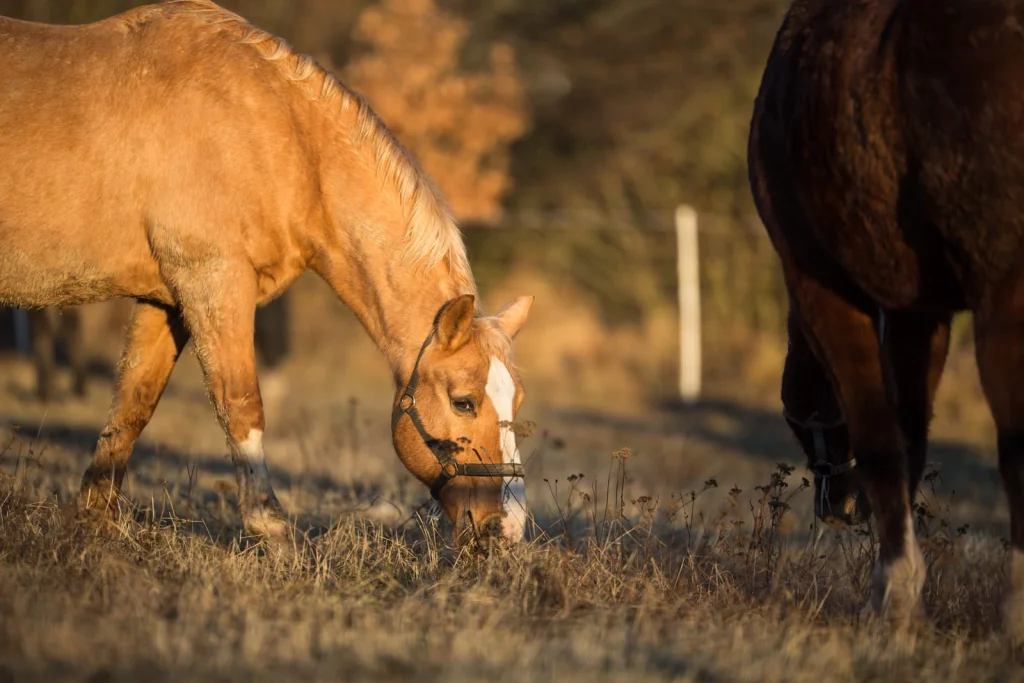
For older horses, or those managing underlying health conditions, the picture is more complex. The temperature swings that characterise early spring, cold mornings followed by mild afternoons, place particular strain on joints and respiratory systems.
A horse that coped comfortably through the depths of winter may begin to show stiffness or discomfort as the season changes, and owners sometimes find that spring, rather than winter, is when signs of ageing or fragility become more visible. Joints that are stiff after a cold night, an airway that reacts to damp air or early pollen, an appetite that fluctuates with the changing light, these are all signals worth paying attention to.
Coat, condition and the signs worth watching
The annual coat shed is one of the most noticeable markers of the transition, and it tells you more than just that spring has arrived. A horse shedding unevenly, retaining a thick winter coat well into the warmer months, or producing a dull and lifeless new coat may be signalling an underlying issue.
Metabolic conditions such as Cushing’s disease, for example, can manifest in coat changes before other symptoms become obvious, and our guidance on whether your horse is at risk of Cushing’s disease is worth reading if the shed seems out of the ordinary.
Regular grooming through the shed period is practical, but it is also an invaluable opportunity to observe the skin underneath, feel for changes in muscle tone and monitor the horse’s overall condition in a hands-on way that no visual check from the gate can replicate. Owners who plan ahead for the late winter to spring transition tend to notice small changes in weight, coat and mood much sooner.
Weight and body condition deserve careful assessment at this time of year. A horse that carried good condition through winter may lose ground quickly if spring grass is slow to come through, or conversely, a horse prone to laminitis or insulin dysregulation may be at risk when rich new growth arrives suddenly. For owners managing horses with these vulnerabilities, grazing restriction and close monitoring of body condition are essential through the early spring weeks.
Managing turnout and exercise as the ground changes
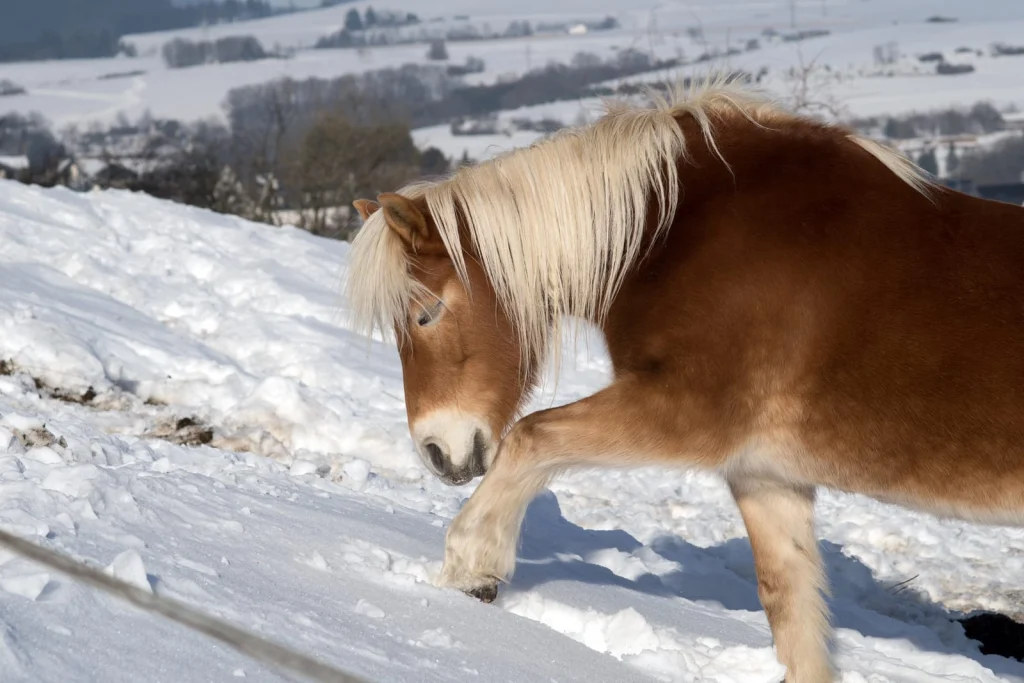
Thawing ground presents its own challenges. Fields that were frozen solid can become slippery and uneven as temperatures rise, and the risk of injury during turnout is higher than at any other time of year. Introducing turnout gradually, checking field gateways and high-traffic areas for poaching and rutting, and being honest about the state of the ground before turning horses out, particularly older horses or those recovering from injury, is good management rather than over-caution.
As ground conditions improve and horses spend more time outside, exercise routines naturally shift. A horse that has had limited work through winter will need a gradual return to fuller work, with attention to muscle rebuilding, cardiovascular conditioning and joint flexibility.
Rushing this process is one of the most common causes of early-spring soft tissue injury. The yards and riding communities across rural Lancashire and Cheshire tend to understand this well, and the tradition of patient, ground-up conditioning in the North West equine community reflects a genuine understanding of what horses need after the colder months.
Nutrition through the transition
Spring nutrition requires more active management than many owners anticipate. The change from winter forage, typically hay or haylage with supplementary hard feed, to fresh grass is significant, and the speed of that transition matters.
Rich spring grass can cause digestive upset, trigger laminitic episodes in susceptible individuals and disrupt the gut microbiome that horses have balanced around their winter diet. Introducing grazing time gradually, maintaining hay access alongside early grass turnout, and keeping a close eye on droppings and demeanour through this period are all practical steps.
For senior horses, protein quality and mineral balance deserve particular attention in spring. Older horses often need support to maintain muscle mass, and a coat that is shedding heavily while the horse is working harder than it has through winter creates real nutritional demands.
A conversation with your vet or an equine nutritionist in early spring is time well spent, especially if you are managing a horse whose weight or condition has fluctuated through the colder months.
When spring reveals something more
Early spring has a way of making clear what winter concealed. The renewed activity, the change in routine, the physical demands of the coat shed and the altered diet can all bring underlying issues to the surface. Some owners find that a horse who appeared to be managing through winter begins to struggle when the season changes, and that assessment of quality of life becomes necessary at precisely the moment when you hoped to be looking forward.
Our guidance on understanding quality of life in older horses can help you weigh what you are seeing with a clearer head. Older horses in particular benefit when the late winter to spring transition is managed gradually rather than all at once.
If your horse is elderly or managing a serious health condition and you are finding that the seasonal transition is proving harder than expected, speaking with your vet early is always the right course. Understanding what to expect following a natural death, or exploring planned euthanasia as a compassionate option, does not have to wait until a crisis arrives.
Many owners who have faced this conversation describe having it early, with their vet and with themselves, as something that ultimately allowed them to make better decisions for their horse, with more time and less pressure.
Heavenly Pastures serves horse owners right across the North West, providing respectful, unhurried support whenever it is needed. Families nearer the coast can find dedicated guidance through our Southport horse cremations page, while those further inland are supported by our Chorley horse cremations and St Helens horse cremations services among many other areas.
The team is always available to speak with owners who are weighing difficult decisions, and there is never any pressure to reach a conclusion before you are ready.
For wider advice on day to day management, the British Horse Society horse care guidance is a reliable starting point for owners.
The yard in spring – a community that understands
One of the things that makes the equine community distinctive is how much knowledge passes between owners, particularly at livery yards. Spring is when yards come alive again, with more turnout, more riding and more conversation at the gate.
The shared knowledge within a yard community, which fields are safe, how a particular horse has come through winter, who needs a hand, is part of what makes keeping horses in the North West such a grounded experience.
If you are supporting a horse through a difficult spring, that yard community can be an important source of practical help and quiet solidarity.
And if you find yourself facing something harder, a loss, a farewell, or the process of deciding what comes next, the Remembrance section of the website is a place where other owners have shared photographs and memories of their horses, and where you are warmly invited to add your own tribute when the time feels right.
To speak with the team about aftercare arrangements or to ask any question at all, call 01704 776976 or use the contact us page. Whatever the season brings, you do not have to navigate it alone.