
Losing a horse is a profound experience for a child, and when it happens in the depths of winter the mix of grief, festive expectation and disrupted routine can feel overwhelming. Helping a child grieve the loss of a horse in winter asks for patience, honesty and a willingness to let sadness sit alongside the season’s brightness. This guidance is offered gently, for the parents and carers walking a child through that sorrow, and it explains how dignified aftercare through respectful horse cremations can bring a measure of comfort to a grieving family.
Why winter makes grief harder for a child
Children grieve differently from adults. Their understanding of death develops with age, and they often revisit the same feelings many times over rather than moving through them in a straight line. Winter layers extra weight onto that process. The festive season carries an unspoken pressure to feel happy, and a child can become confused trying to reconcile their sadness with the celebrations going on around them. Shorter days and less daylight can lower mood and make strong emotions harder to manage, while the familiar rhythms of riding, grooming and mucking out are often cut short by the weather, leaving an emptiness where the routine used to be.
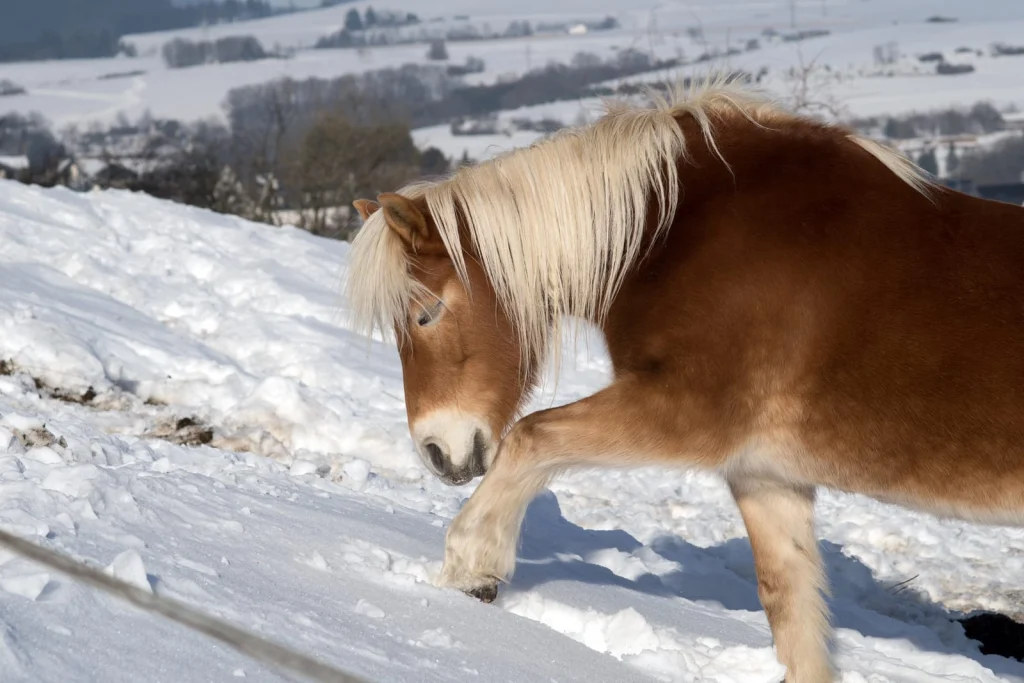
The symbolism of an empty stable feels especially sharp in the quiet, dark months, and the small physical comforts a child once relied upon, the warmth of a pony’s neck, the weight of a saddle, the act of carrying a feed bucket across a frosty yard, may no longer be there to anchor them. When carers anticipate these winter challenges, they can make room for honest conversation, predictable routines and comforting rituals that gently honour the horse’s life.
How a child commonly reacts to losing a horse
Grief reveals itself in many ways, and every child’s response is valid. Some cry openly or are caught by sudden waves of sadness, while others show anger and frustration, or become fearful and anxious about what else might be lost. A child may fall silent and withdraw, needing time alone, or ask the same questions about what happened over and over again.
Others want to rush back to normal life as quickly as possible, sidestepping the grief altogether, and many become clingier, looking for far more reassurance than usual. None of these reactions is wrong, and a child often moves between feelings in moments, laughing one minute and weeping the next.
Practical steps for parents and carers
Guiding a child through winter grief comes down to a blend of empathy, gentle consistency and honest conversation. It helps to create a quiet, unhurried space to talk about the horse, acknowledging the bond and the loss in age-appropriate language and inviting questions without pressing for a response. Simply saying that it is alright to feel sad about losing a pony can help a child name what they are carrying. Where possible, holding on to the routines that still work, whether a familiar walk past the field or a quieter indoor task, offers reassurance when so much else has changed.
Comforting rituals also give grief somewhere to go, and lighting a candle, drawing a picture or keeping a small memory box can become a cherished tradition over time. For families wanting a gentle starting point, explaining the loss of a pony to children offers age-appropriate ways to begin the conversation.
Understanding the bond a child shares with a pony
A horse is rarely just an animal to a child. Ponies and horses become trusted companions, patient teachers and a genuine part of the family, building confidence, responsibility and real joy in the outdoors. When loss comes, naming these roles aloud validates what the child is feeling and reinforces the good memories that remain. Stories of the pony’s stubborn moments and small acts of bravery become touchstones a child can return to as they heal, and further support for the whole family can be found in helping children through the loss of a horse.
The comfort of dignified aftercare
How a horse is cared for after death shapes how a family moves through grief. Choosing individual cremation with ashes returned honours the horse’s unique life and gives a family a tangible, respectful farewell, with ashes returned as a focal point for remembrance during winter rituals or future anniversaries. Knowing that aftercare has been handled with care also makes it easier for a parent to answer a child’s questions about where their horse has gone. There is gentle inspiration too in creating a winter memorial for your horse, which a child can help to shape, and in the wider reflections within losing a horse and the grieving process.
Owners preparing for this decision may also find the British Horse Society guidance on euthanasia helpful, including its free Friends at the End support for owners who would like someone beside them on the day.
Support for a family when it is needed most
Losing a horse in winter is hard for any child, made heavier by the season’s rhythms and expectations. By acknowledging that weight, validating a child’s feelings and holding on to comforting routines, a family can help a child carry their sorrow with resilience.
Families are also warmly invited to share a photograph and a memory of their horse in the Remembrance section of the website, where others have left their own heartfelt tributes, something many children find quietly comforting. Whenever a family is ready to talk, the Heavenly Pastures team can be reached on 01704 776976 or through the contact form, and will be glad to help find a calm, respectful way forward.